
Backpacking New Zealand: A Practical Guide to Planning Your Adventure
Updated: 3 hours ago
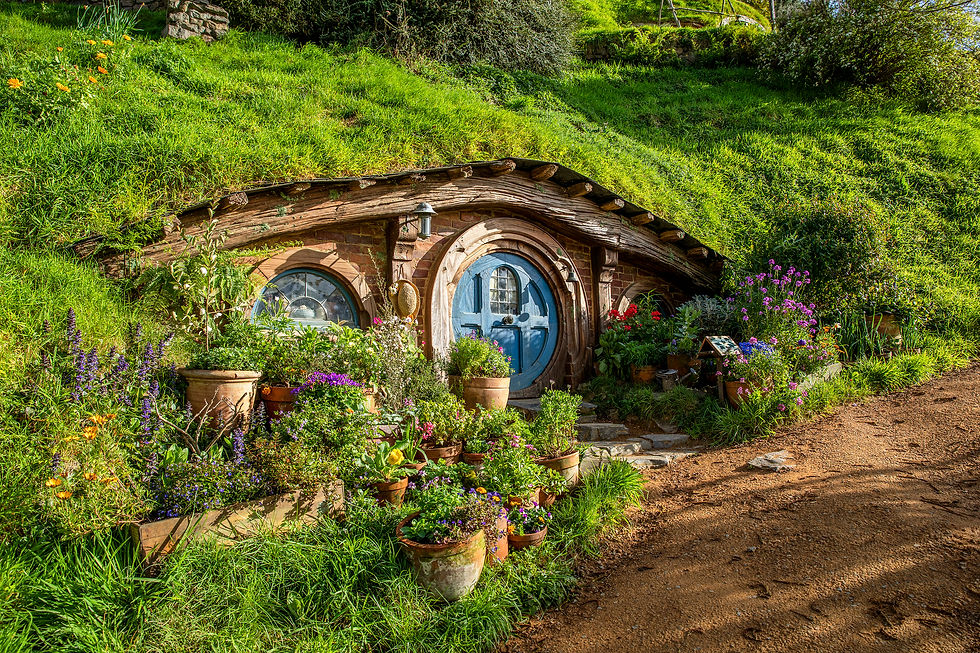
One morning you could be walking beside a volcanic lake. A few days later, you could be sharing dinner in a hostel before heading into the mountains. Backpacking New Zealand gives you the freedom to build a trip around the things you enjoy, whether that means hiking, beaches, wildlife, meeting other travellers or spending a season somewhere new.
But a memorable trip starts with a little preparation. Your route, transport and accommodation choices will shape both your budget and how much you can comfortably fit in.
This Where Next Travel guide covers the essentials, from choosing an island to planning a working holiday.
When should you go backpacking in New Zealand?
The best time to visit depends on what you want from your trip.
Summer, from December to February, suits beach days, camping and long evenings outdoors. Plan ahead for popular destinations and leave room in your itinerary for changes.
Autumn, from March to May, brings cooler temperatures and changing colours. It can suit a trip built around walking, exploring towns and spending time outdoors without making every day a major adventure.
Winter, from June to August, is the season to consider if skiing or snowboarding is a priority. Your packing list and route need to account for cold conditions, shorter daylight hours and possible disruption.

Spring, from September to November, offers a mix of fresh scenery and variable weather. Keep outdoor plans flexible rather than assuming every mountain walk will be accessible.
Whatever the season, pack layers and a waterproof jacket. Conditions vary between regions, and a sunny morning does not guarantee a dry afternoon. Explore New Zealand’s seasons and travel advice.
How long do you need?
Our advice is to choose a realistic route before trying to squeeze in every place you have saved on Instagram.
For one to two weeks, focus on one island or a smaller region. You will have more time to enjoy each stop and less pressure to move every morning.
With three to four weeks, you can consider both islands, provided you allow for travel days and accept that some places will need to wait for another trip.
With six weeks or longer, you have more room to slow down, take weather delays in your stride and stay longer somewhere you love.
These are planning suggestions, not rules. A shorter trip with fewer stops can be far more rewarding than a longer checklist.
North Island or South Island?
Both islands deserve your time, but you do not have to visit both to have a great trip.
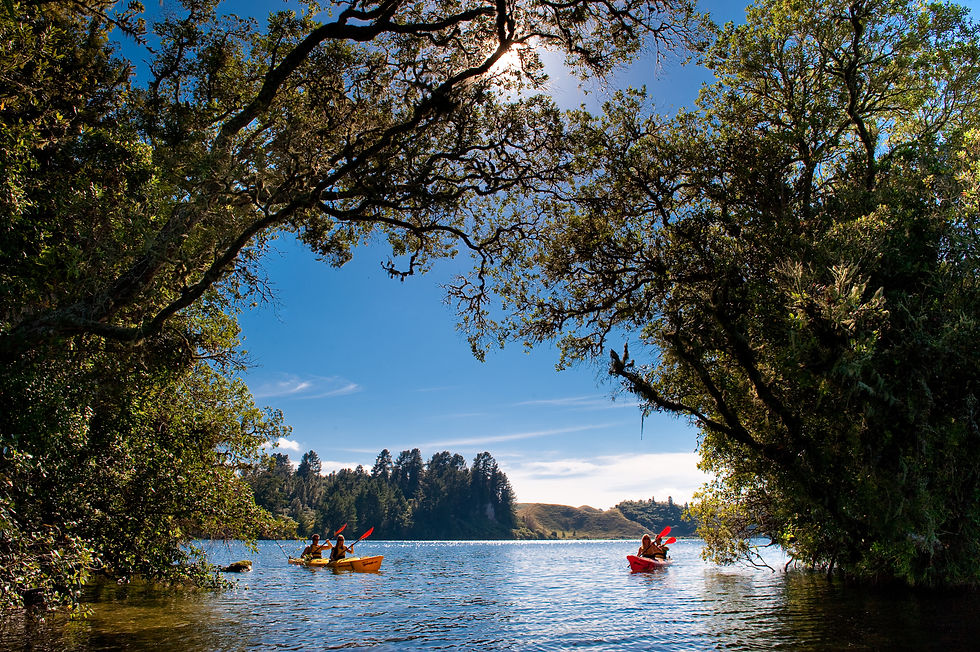
The North Island is a good starting point if you want to combine cities, geothermal landscapes, cultural experiences and coastal travel. You might build a route around Auckland, Rotorua and the central North Island, with time for other stops that interest you.
The South Island will appeal if your wish list centres on mountain scenery, lakes and outdoor adventures. Queenstown and the surrounding regions offer a starting point for exploring the southern landscapes.
Choose based on your interests and the season, then work out the transport. Tourism New Zealand’s suggested itineraries and regional route ideas can help you narrow down your options.
Build your route around experiences
Instead of asking how many destinations you can visit, think about what you want your days to feel like.
Would you rather spend a morning kayaking, join a cultural experience, explore a city or head out on a mountain walk? Do you want a busy social trip or quieter evenings somewhere scenic?
Choose a few experiences that matter most, then build your route around them. Leave gaps between major bookings so a delayed journey or wet day does not disrupt the entire trip.
A useful approach is to plan three types of day:
Travel days, with enough time to reach your next stop without rushing.
Activity days, built around something you have booked or prepared for.
Flexible days, for resting, exploring locally or rearranging weather dependent plans.
You do not need a paid activity every day. Leave room to enjoy the place you have travelled so far to see.
How to get around New Zealand
Your transport should fit your route and budget, rather than becoming the most expensive part of a plan you did not need.

Buses can suit travellers who prefer not to drive. Before booking accommodation, check that transport reaches your destination and that onward services fit your dates.
A rental car gives you more control over where you stop. Compare the full cost, including insurance arrangements, fuel, parking and any additional charges.
A campervan combines transport and somewhere to sleep, but it is not automatically the cheapest option. Include campsite fees, fuel and vehicle costs when comparing it with hostels and other transport.
Organised tours can suit travellers who want a planned route and company along the way. Compare what is included, how much free time you have and which activities cost extra.
Domestic flights can help connect distant parts of your itinerary. Factor in luggage charges and airport transfers when comparing prices.
Tourism New Zealand outlines the main options in its backpacking transport guide.
Where to stay when backpacking
Choose accommodation around how you want to travel, not just the lowest price in the search results.
Hostels
A hostel can make a useful first base, particularly if you are travelling alone. Look for the facilities that matter to you, such as a kitchen, lockers, laundry and shared spaces.
Read recent reviews for cleanliness, noise and atmosphere. A lively hostel might suit a social weekend but feel less appealing when you need to get up early for work.
If you plan to stay longer, ask whether a weekly rate is available and check the cancellation conditions before committing.
Campsites and holiday parks
Compare facilities carefully. Think about toilets, showers, cooking arrangements, access to drinking water and whether you need a powered site.
Do not assume you can park a campervan anywhere overnight. Check the rules for the exact location, including council restrictions and any vehicle certification requirements. A self-contained vehicle does not give you permission to camp everywhere. Check DOC’s freedom camping guidance.
Rooms and longer stays
If you are settling somewhere for work, a furnished room may be worth comparing with hostel accommodation.
Before paying, inspect the property where possible and confirm the rent, bills, bond, minimum stay and notice arrangements. Get the agreement in writing and keep payment records.

Huts for walking trips
A hut stay needs its own preparation. Facilities and booking arrangements vary, so check the specific hut rather than assuming it operates like a hostel.
Some DOC huts require advance booking, while others operate on a first come, first served basis. Follow the payment and equipment guidance for your route. Check DOC hut bookings and payment arrangements.
How to plan your backpacking budget
There is no single daily budget that suits every New Zealand trip. A traveller cooking in hostels and staying longer in each town will spend differently from someone renting a vehicle and booking frequent activities.
Build your budget using real quotes for your dates. Include:
Accommodation.
Transport, fuel and transfers.
Food and groceries.
Activities and equipment hire.
Phone and data costs.
Insurance and applicable entry costs.
Laundry and everyday essentials.
An emergency reserve.
Keep arrival costs separate from your normal weekly spending. Your first few days may involve several purchases before you have found a routine.
To make your money go further, compare accommodation with kitchens, share suitable costs with people you trust and avoid moving simply because you feel you should. Staying longer can give you time to enjoy somewhere while reducing repeated transport expenses.
Most importantly, protect your emergency fund. It should not depend on finding a job immediately.
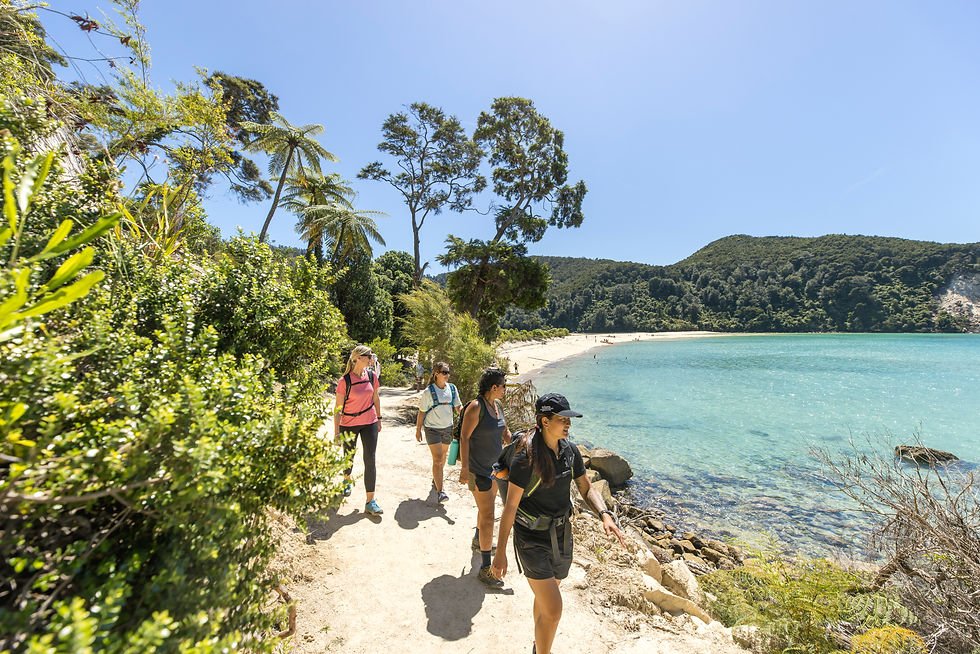
Can you work while backpacking in New Zealand?
If you want to combine travel with local employment, you need immigration permission that allows that work.
Working holiday visas are available to eligible applicants from participating countries. Age limits are generally 18 to 30, with some schemes extending to 35, but the requirements depend on the scheme that applies to your passport. Check the official details rather than relying on another traveller’s experience. Read Immigration New Zealand’s working holiday guidance.
Do not assume that entering as a visitor allows you to take a local job. Check your specific visa conditions before accepting work. See the official Visitor Visa conditions.
If you are planning a working holiday, allow time to prepare your CV, research employers and understand the practical costs of staying near work. Accommodation and transport can be just as important as the advertised pay when deciding whether a role suits your plans.
Where Next Travel provides information and resources to support your own preparation and job search. Subscribe to our New Zealand Working Holiday Package to receive all the help, support and resources you need to live and work in New Zealand
What should you pack?
Pack for the activities you will actually do, with enough flexibility for changing conditions.
Useful essentials include comfortable walking footwear, a waterproof jacket, warm layers, sun protection, a reusable water bottle, a day bag and a power bank. Keep important documents accessible and save copies somewhere secure.
Check equipment requirements separately for any overnight or alpine trip. Ordinary sightseeing clothes are not a substitute for the gear needed on a demanding route.
Before flying, clean used outdoor footwear and equipment. New Zealand requires travellers to declare food and relevant biosecurity risk items, including used outdoor gear. If you are unsure, declare it and ask. Check the official arrival guidance.
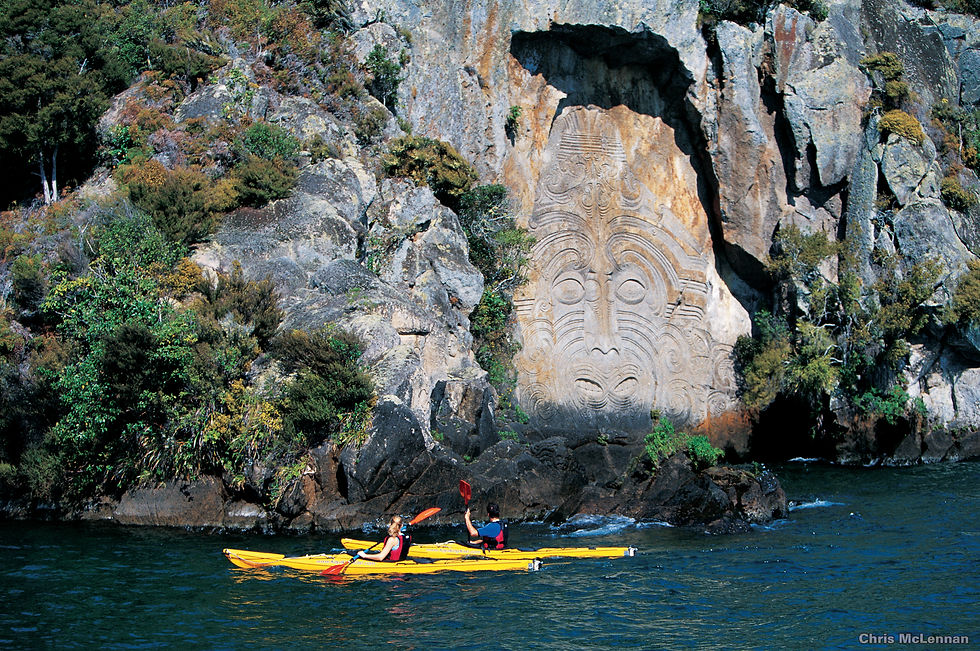
Plan outdoor adventures properly
A popular walking track still needs preparation. Choose a route that matches your experience, fitness and equipment, and check current conditions before setting out.
Tell someone your plans and expected return time. Take appropriate supplies and do not rely on your phone being connected throughout the trip.
Be willing to turn around or choose a different activity. Reaching a viewpoint is never more important than getting back safely.
Use the New Zealand Land Safety Code to help prepare, and check official track information for closures and warnings.
Travelling solo
For a solo trip, give yourself a straightforward start. Book your first accommodation, work out how to get there and allow time to recover after the journey.
Choose social settings that suit you, whether that means a shared hostel dinner, a guided activity or a small group outing. You do not have to be outgoing all the time to meet people.
Keep someone you trust informed about your route, protect your belongings and avoid letting new travel companions rush you into plans you are uncomfortable with.
Travelling independently also means you can change your mind. If a place or arrangement does not feel right, give yourself permission to move on.
Your New Zealand backpacking checklist

Before you leave:
Confirm your passport and entry requirements.
Check that your insurance suits your trip and planned activities.
Choose a route that fits your available time.
Compare transport and accommodation costs.
Book your first few nights and plan your arrival transfer.
Reserve any essential activities or hut stays.
Prepare clothing and equipment for the season.
Clean and check outdoor gear before packing.
Save important documents and booking details.
Set aside money for unexpected costs.
Start planning with Where Next Travel
You do not need every day mapped out before you go. A realistic budget, a manageable route and a clear understanding of the practical essentials will give you a stronger starting point.
Explore Where Next Travel’s New Zealand destination inspiration, accommodation guides and working holiday resources to prepare for your adventure. Then leave a little space for the places, people and experiences you have not discovered yet. We can also help you plan, book and organise your travel plans. Request a 1:1 travel call with a New Zealand Travel Specialist here or build your own New Zealand Itinerary here.
Travel requirements, access conditions and availability can change. Confirm current details with official authorities and providers before booking or travelling.
Comments